IN PARTNERSHIP WITH
oor workforce health is costing businesses and the UK economy billions – but employers are uniquely placed to make a positive difference.
P
Workplace health uncovered
Real impact comes from science-backed programmes that change behaviour
Why employer-led support is crucial in the fight against cancer
Dr Arun Thiyagarajan: “Investing in workplace wellbeing isn’t just the right thing to do; it’s good for business too”
Fitter, healthier, more productive...
Information correct as of November 2025. VitalityHealth is a trading name of Vitality Corporate Services Limited. Vitality Corporate Services Limited is authorised and regulated by the Financial Conduct Authority.
For professional investors only
scroll
BROWSe OTHER CHAPTERS
READ THE FIRST ARTICLE >
Across the UK, rising rates of illness, deteriorating mental health and the hidden toll of presenteeism are fuelling a workplace health crisis - impacting productivity and adding to the pressure on healthcare systems. This Spotlight from COVER, in partnership with Vitality, explores how employers can take a proactive role in health prevention and wellbeing. With expert insight from industry leaders, these articles examine the commercial and cultural case for supporting employee health – highlighting how healthier people make for healthier businesses.
SPOTLIGHT
MENU
HIDE X
With ill-health driving economic inactivity and productivity loss across the UK, VitalityHealth CEO Dr Arun Thiyagarajan outlines why the evolving nature of Private Medical Insurance offers a compelling opportunity for advisers to support clients in unlocking better health outcomes and stronger business returns
The government’s recently published Keep Britain Working review, led by Sir Charlie Mayfield, estimates that ill-health related inactivity is costing the UK economy £212 billion annually - nearly 7% of GDP. Employers alone face £85bn in lost output, presenteeism, and recruitment costs(3). These findings echo Vitality’s Britain’s Healthiest Workplace research, which found that between 2014 and 2023, lost productivity due to ill-health cost the UK economy a staggering £860bn(4). “The cost of poor health, both in terms of healthcare spending, as well as the wider economic impact is now a major challenge for insurers, government and businesses,” says Dr Arun Thiyagarajan, CEO of VitalityHealth. The strain on healthcare systems is “unsustainable” he adds.
“The cost of poor health, both in terms of healthcare spending, as well as the wider economic impact is now a major challenge for insurers, government and businesses”
NEXT ARTICLE >
A burden of preventable disease
While the rise in ill-health stems from multiple factors, unhealthy lifestyles are playing a significant role. “Like many countries, the UK has seen a steady increase in chronic non-communicable diseases,” says Thiyagarajan. “Much of this disease burden is preventable – driven by lifestyle risk factors such as obesity, poor diet and lack of exercise.” Vitality’s data shows that in 2023, 37% of employees were physically inactive and 56% did not eat a healthy diet. Since 2014, obesity rates among UK workers have increased by 51%, while anxiety and depression rates have risen by 75%(5).
Against this backdrop, demand for Private Medical Insurance has surged, with employees placing greater value on workplace health benefits. “We know that almost two-thirds of employees now believe their employer should do more to support their health and wellbeing(6),” says Thiyagarajan, reflecting a shift in expectations post-pandemic. At the same time, PMI products have evolved in response to a range of trends reshaping the health landscape, from the growth in demand for everyday care benefits such as virtual GPs and Talking Therapies, to new weight loss medications being widely used.
Evidence shows its working
Vitality’s latest Health Claims Insights Report shows that this proactive approach is delivering results. It’s helping to address common health complaints like mental health and musculoskeletal conditions – two leading causes of sickness absence – by moving healthcare upstream and preventing serious illness before it happens. Between 2019-2024, Talking Therapies claims rates increased by 167%, while mental health claims rates for treatment as an out-patient, in-patient or day-patient reduced by 17% and 41% respectively. Over that same period, physiotherapy claims rates increased by 30%, while in-patient and day-patient musculoskeletal claims reduced by eight per cent(7). Thiyagarajan also highlights Vitality’s groundbreaking medicated weight-loss pathway, the first of its kind offered on a UK PMI plan and rolled out in early 2025. “Evidence shows that members enrolled on the Vitality pathway lost on average 9.3% of their body weight within just a three-month period(8).” Other benefits, such as annual health checks, health assessments and discounted cancer screening for at-risk employees are helping detect illness early and enable timely action.
1
2
he UK is facing a silent but urgent crisis. More than one in five working-age adults are now economically inactive – neither working nor looking for work – with ill-health and disability emerging as the leading causes(1). Even among
T
those in employment, poor mental and physical health is taking its toll. In 2023 alone, employees lost nearly 50 days of productive time due to absenteeism and presenteeism(2).
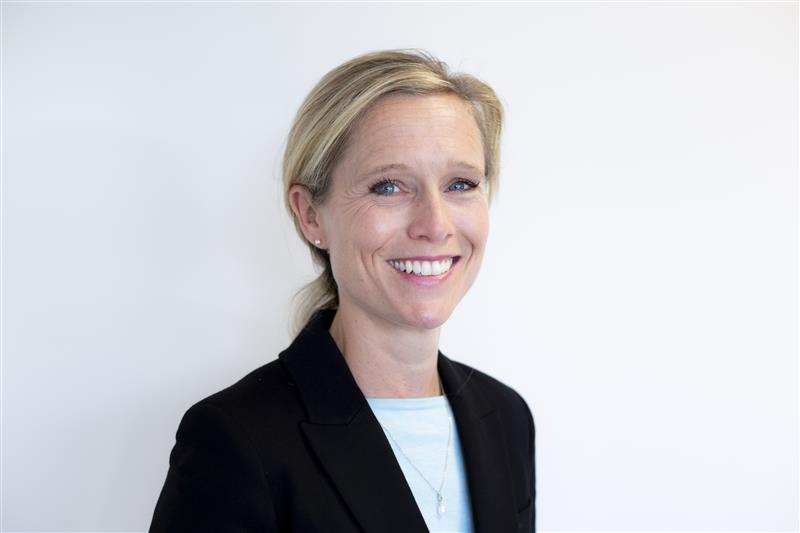
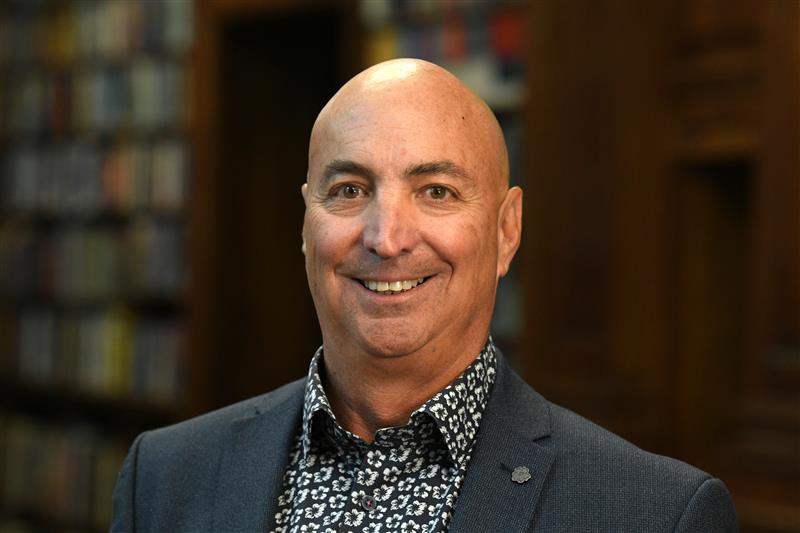
Dr Arun Thiyagarajan, CEO – Health at Vitality
PMI is evolving to meet changing needs
Thiyagarajan emphasises that addressing employee health also requires a focus on long-term behaviour change. “Encouraging employees to adopt healthier habits – and stick with them – is key,” he says. “We know that sustaining the habit of walking 10,000 steps three times a week for three years is correlated with a 41% reduction in type-2 diabetes risk and a 36% reduction in stage-4 cancer risk(9).” Benefits like the Vitality Programme are designed to support this and the evidence shows that highly engaged and more physically active members have 27% lower claims costs(10) and improve their life expectancy by up to five years(11).
Sustained behaviour change is key
“Investing in workplace wellbeing isn’t just the right thing to do – it’s a business imperative”
For advisers, the evolving nature of PMI presents a compelling opportunity to help clients unlock better value, tangible benefits and improved health outcomes for their workforce. Vitality’s Britain’s Healthiest Workplace data shows that employees with Vitality health insurance are 11% less likely to suffer from depression, 8% more likely to meet exercise guidelines, and 13% less likely to report low job satisfaction. They are also 17% more likely to say their employer actively supports their health and wellbeing(12). These improved health outcomes translate into real business value – with employees gaining an average of 2.5 additional days of productive time per year(13). For employers, that’s a measurable return on investment in their people and their health strategies. “Investing in workplace wellbeing isn’t just the right thing to do – it’s a business imperative,” concludes Thiyagarajan. “It’s about unlocking productivity gains and delivering a stronger return on investment on business PMI.”
A stronger return on investment for business
Sources.
(1,3) Keep Britain Working: Final report - GOV.UK (2,4,5,6) 10 years of Britain's Healthiest Workplace: The changing face of the UK at work’, Vitality 2025 (7,8,10) VitalityHealth Claims Insights Report 2025 (9) The Vitality Habit Index, March 2024 (11,13) Based on members who move from 0 to 21+ activity points a week throughout their lifetime, applied to standard UK mortality rates. Vitality study 2024. (12) Britain's Healthiest Workplace, 2023 - comparison of employee responses at employers with Vitality Health Insurance, and employers offering PMI through other insurers. Vitality and BHW data, 2023
With cancer rates rising among working-age adults—and many cases linked to preventable lifestyle choices—Vitality’s Dr Katie Tryon highlights why workplace health and wellbeing initiatives can play an important role in addressing cancer risk
At the same time, people aged between 50 and 74 account for more than half (54%) of all new cancer diagnoses(3). With the average retirement age state pension age – and the retirement age – set to increases(4), cancer may impact a significant portion of the UK workforce. While genetics will always be a key factor, around 40% of cancers are preventable through healthier lifestyle choices(5), according to Macmillan. “The impact of lifestyle is huge,” says Dr Katie Tryon, Commercial Director at Vitality Health. “We know that smoking is still the biggest risk factor, but diet, activity and weight are also major contributors – this means there is a real opportunity to intervene and reduce risk.”
“Employers recognise that investing in health is not only good for their people but also the ethically correct thing to do”
With employers already grappling with rising rates of absenteeism and presenteeism(6), addressing cancer risk – and poor health more broadly – among staff will become a more pressing issue. The good news is that, according to Tryon, employers are well positioned to offer health support that can be especially transformative. “The workplace is a fantastic place for changing mindsets and encouraging healthy behaviours,” she says, adding that employers “can set a culture of health and wellbeing that has a significant impact on people who may not have engaged with wellness initiatives in other environments.”
The role of employers in the fight against cancer
When it comes to cancer, Tryon believes employers need to think about health and wellbeing in a broader sense – from lifestyle and prevention to early detection and ongoing support. She considers cancer prevention to have three distinct stages:
Primary prevention through lifestyle interventions such as weight management, physical activity and nutrition. Secondary prevention via screenings and early detection – where catching cancer at stage 1 versus stage 4 can make a significant difference in survival outcomes. (7). Tertiary prevention to support those living with cancer, improving their quality of life and outcomes even during treatment.
Prevention, prevention, prevention
For advisers, helping employers to embed solutions that take a more holistic approach to employee health and wellbeing is therefore critical. As products like Private Medical Insurance (PMI) – have evolved in recent years, there has been a shift away from purely reactive insurance coverage to more proactive healthcare. “PMI is playing a much more active role in cancer prevention and early detection,” says Tryon, which is helping to improve clinical outcomes and deliver better long-term value.
ne in two people in the UK will develop some form of cancer at any point during their lifetime(1) and there has been a rise in cancer among the working-age population. According to Cancer Research UK, incidence rates among adults
O
aged 25 to 49 increased by around 22% between 1993 and 2019(2).
• • •
One of the major challenges for businesses looking to prioritise employee wellbeing is designing a programme that resonates with a diverse and varied workforce, whilst balancing the need for individual, tailored support. “It’s absolutely not a one size fits all approach,” says Tryon. “Workplaces will sometimes offer gym memberships to all employees, do a step challenge, or a mental health awareness month. But health and wellbeing are so much broader than that.” “It’s wonderful to have group initiatives but it also needs to be about the personalised journey that individuals are going on to improve their health and wellbeing within that broader context,” she adds. With cancer, for example, this might mean offering a PMI benefit that includes access to screenings for employees identified as at higher risk of developing cancer, or personalised support focused on lifestyle changes such as weight management or quitting smoking, alongside high-quality clinical care for those undergoing cancer treatment.
Workplace wellbeing initiatives: ‘it’s not a one size fits all’
Getting employees to actually engage in wellbeing programmes is also crucial. “No initiative will have any impact unless people use it,” says Tryon. “The key to health improvement and prevention is regular engagement, not using it only in a crisis situation,” she says. Incentives can also dramatically improve participation in healthier practices and engagement with workplace benefits. “We know that when you incentivise people, they do more. They get more active, they eat better, they stop smoking – and crucially, they stay on track for longer,” says Tryon. This is about helping employees to build healthier habits that stick, and the evidence is clear that it can have a profound impact on conditions like cancer. Research from Vitality and The London School of Economics showed that people who sustained a habit of 10,000 steps three times a week for three years, saw a 36% reduction in stage-4 cancer risk(8).
‘No initiative will have any impact unless people use it’
(1) 1 in 2 people in the UK will get cancer, Cancer Research UK (2) Cancer incidence statistics, Cancer Research UK (3) Cancer incidence by age, Cancer Research UK (4) Third State Pension age review: indepdent report call for evidence (5) Causes and risk factors, Macmillan (6) 10 years of Britain’s Healthiest Workplace: The changing face of the UK at work (7) Cancer survival by stage - NHS England Digital (8) The Vitality Habit Index: how to create habits for a longer, healthier life, Vitality and London School of Economics (9) Vitality Health Claims Insights Report 2025
“The key is to ensure wellbeing programmes are built into a holistic system that people can engage with and build healthier habits around,” she continues. “If you incentivise that engagement piece heavily, you get the improved health outcomes.” This is borne out in Vitality’s claim data, which showed that, on average, Vitality members who were more physically active had significantly lower healthcare costs(9). At a time when businesses will have a keen eye on cost and value, the rewards and benefits delivered through an incentive-based programme also unlocks more tangible value for both the employee and employer. In 2024 alone for example, Vitality members received £99m worth of rewards and savings through the Vitality Programme(9). By embedding cancer prevention and support into wellbeing strategies, businesses not only help reduce claims but also improve the health and quality of life for employees. For advisers, helping employers see that link between wellbeing, engagement and performance provides a powerful, evidence-based story to take to clients – offering benefits that resonate more with staff and a stronger return on investment.
“It’s wonderful to have group initiatives but it also needs to be about the personalised journey that individuals are going on to improve their health and wellbeing within that broader context”
Dr Katie Tryon, Commercial Director at Vitality Health
< PREVIOUS ARTICLE
that is more than double the number from 2014(1).
he UK workforce is facing a health crisis – and businesses are feeling the effects. According to Britain’s Healthiest Workplace research, UK workers are losing the equivalent of almost 50 days of productive time per year – a figure
Chronic Illness and its impact on business
The research also revealed that 90% of that productivity loss is attributed to people not performing at their best due to health issues. The total cost of lost productivity to the UK economy stands at £860bn between 2014 and 2023(2). These findings echo the recent Keep Britain Working review, led by Sir Charlie Mayfield, which highlighted growing concerns about the health of the UK’s working-age population. The review estimated that sickness absence costs employers around £120 in lost profit per employee per day(3). For Athos Rushovich, Director of Specialist Health Sales and Dedicated Distribution at Vitality, the figures shine a light on the growing importance of proactive, preventative employee wellbeing initiatives. He believes that firms should now view preventative health and wellbeing strategies as a key business investment. From an adviser perspective, rising sickness and reduced productivity levels directly affect the value of employee benefits, making it essential to guide clients towards solutions that deliver tangible results.
“If we can make people healthier, employees, employers, the healthcare system and society at large all benefit”
Athos Rushovich, Director of Specialist Health Sales and Dedicated Distribution at Vitality
Conditions linked to lifestyle choices – from cardiovascular disease to diabetes – are among the most common drivers of long-term health issues(4). Rushovich believes that, when delivered effectively, workplace wellbeing initiatives can lower the risk of chronic illness and help employees to adopt healthier habits. “If choices around exercise, diet, smoking and alcohol significantly impact major disease development, then it makes sense that, if we can impact those choices positively, we can change health outcomes,” he says. Rushovich also points to the importance of early intervention, explaining that measures such as health checks and cancer screening can help to identify health issues much sooner. This not only limits the impact, but it can reduce longer-term claim costs. “If we can pick up high cholesterol through a simple test, for example, and get someone onto the right treatment, it’s not just potentially life-changing for the individual – it could prevent a £40,000 heart bypass down the line,” says Rushovich. That cost–benefit equation speaks directly to businesses who are under pressure to manage costs, particularly at a time of increasing demand for private healthcare benefits and rising rates of medical inflation. As Rushovich sees it, investing in wellbeing isn’t a perk – it’s a form of risk management. Preventing ill-health from arising in the first place can be a powerful argument when considering workplace health and wellbeing solutions. Spotting and addressing risks early on helps employers avoid major claims, easing premium pressures and protecting workforce productivity at the same time.
Most employers are aware of the importance of a resilient workforce and already have wellbeing programmes in place for their employees. If that’s the case then why is employee health a growing problem? Rushovich believes the answer could lie within the quality and overall effectiveness of the health and wellbeing programmes being offered. Despite mounting evidence, many workplace wellbeing schemes look good on paper but fall down due to low uptake or not doing enough being done encourage employees to adopt and maintain healthier habits. According to Rushovich, the real challenge lies in delivering a quality scheme that yields real-world results and drives higher levels of employee engagement. “Real impact comes from integrated, science-backed programmes that change behaviour for the long term,” he says. “If we can positively impact people’s health outcomes, our members get healthier, and we reduce the risk of downstream claim costs. Everyone benefits,” Rushovich adds.
Strategies such as Vitality’s recently launched Employee Challenges leverage psychology to improve employee participation. Competition, leaderboards and peer encouragement, for example, offer what Rushovich calls a “common currency” across workplaces, which has been shown to boost engagement. “It doesn’t matter if you’re a young tech start-up or a firm of city lawyers, challenges are appropriate because you’re competing against your own peer group,” he says. “Employers can engage their employees in a fun, gamified way, getting them doing things that have a positive impact on their health.” And this positive impact extends beyond physical health. “Physical activity has a significant effect on mental health and wellbeing, so simply getting people walking has a positive impact on state of mind and thus productivity,” says Rushovich.
Beyond tick-box wellbeing
The evidence from Vitality is clear that employees with Vitality Health Insurance are 11% less likely to suffer from depression, 8% more likely to reach exercise guidelines and 13% less likely to report low job satisfaction. These improved health metrics equate to 2.5 additional days of productive time per employee per year(5). So, when it comes to improving workforce wellbeing, the economic imperative for employers and society more broadly is as pressing as the ethical one. Ultimately, rising sickness and reduced productivity directly affect the value of employee benefits, making it essential to guide clients towards solutions that address root causes rather than symptoms. And, the evidence from Vitality is clear that employees with Vitality Health Insurance are 11% less likely to suffer from depression, 8% more likely to reach exercise guidelines and 13% less likely to report low job satisfaction. These improved health metrics equate to 2.5 additional days of productive time per employee per year(6). “If we can make people healthier, employees, employers, the healthcare system and society at large all benefit,” says Rushovich.
Engagement that drives productivity
Healthier workers, stronger businesses
With poor health contributing to productivity losses across the UK, employers are under pressure to rethink how they support the health and wellbeing of employees. Vitality’s Athos Rushovich explains how creating a culture that promotes healthy habits is key to delivering meaningful workplace health initiatives
(1,2,5,6) 10 years of Britain's Healthiest Workplace: The changing face of the UK at work, 2025 (3) Keep Britain Working: Final report - GOV.UK (4) Noncommunicable diseases